








Digital Licensing Revolution 2026: Blockchain & NFTs Transform Software
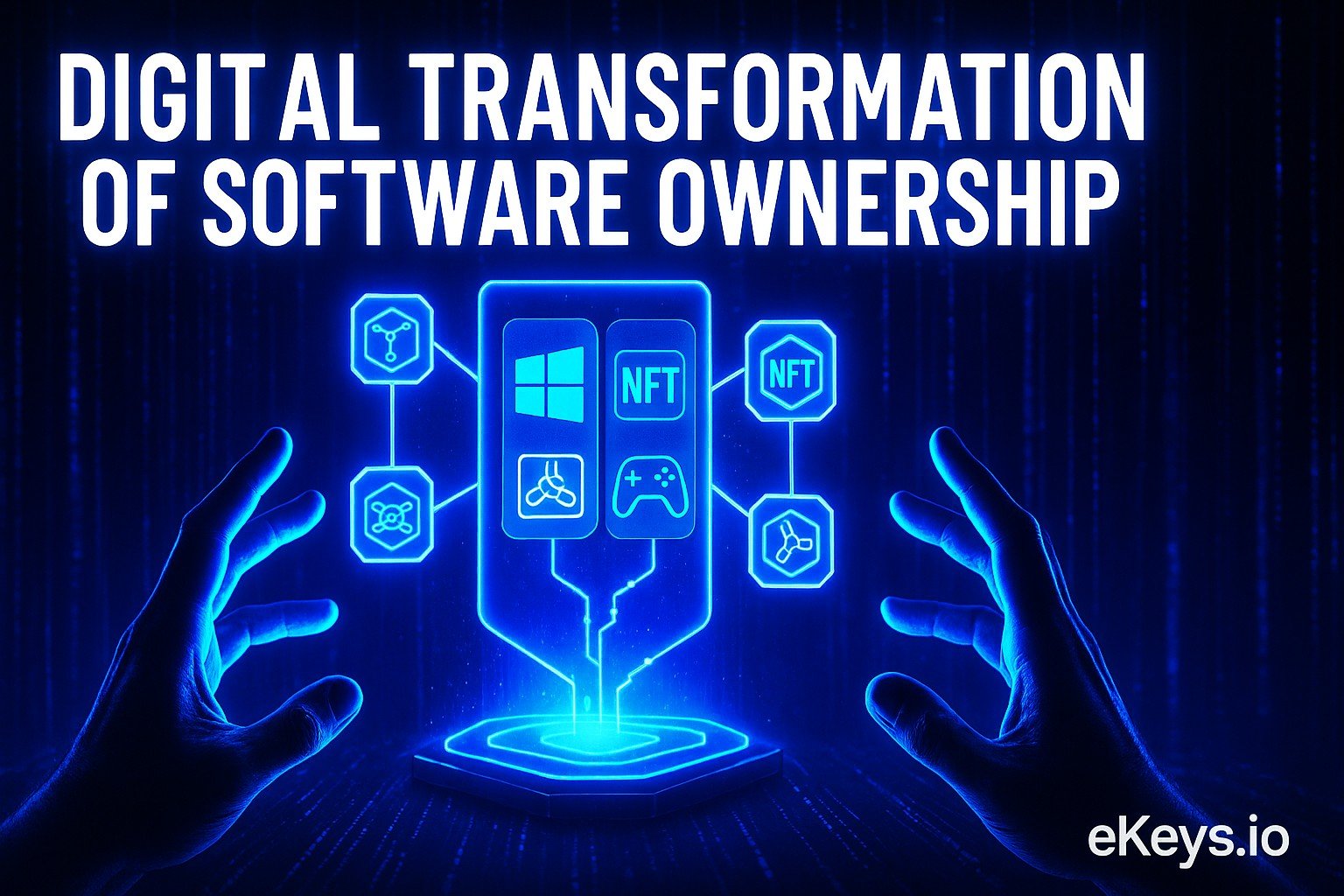
Table of Contents
- Current Digital Licensing Problems
- How Blockchain and NFTs Solve Ownership Issues
- Early Implementations and Case Studies
- What This Means for Software Users
- Timeline for Industry Adoption
- Challenges and Potential Roadblocks
You buy a $60 game on Steam, play it for years, then never touch it again. That license sits in your library forever, completely worthless to anyone else. Meanwhile, someone across the world would gladly pay $20 for your used copy, but current digital licensing makes that impossible.
This fundamental flaw in digital ownership is about to change dramatically. By 2026, blockchain technology and NFTs are positioned to revolutionize how we think about software licensing, giving users true ownership rights that mirror physical products. Major gaming platforms and software companies are already testing systems that would let you sell, trade, or transfer your digital licenses just like physical goods.
The implications go far beyond gaming. Every piece of software you own — from Windows licenses to productivity apps — could become a transferable asset. Here's how this technological shift will reshape digital ownership and what it means for your software investments.
Current Digital Licensing Problems
Digital software licensing today operates on a fundamentally broken model. When you purchase software through platforms like Steam, Epic Games Store, or even direct from Microsoft, you're not actually buying the software — you're purchasing a license to use it. That license is tied permanently to your account with no legal way to transfer ownership.
This creates several major problems for consumers. First, your digital library has zero resale value despite potentially containing thousands of dollars worth of software. A physical game retains some value and can be sold or traded, but digital equivalents become worthless the moment you're done with them. Second, when platforms shut down or accounts get banned, users lose access to everything they've purchased with no recourse.
The problem extends beyond gaming into professional software. If you purchase a Windows 11 license and later upgrade to a new computer, transferring that license involves complicated activation processes and Microsoft's discretion. Business software licenses often require expensive vendor negotiations to transfer between companies during mergers or acquisitions.
Current licensing also lacks transparency about usage rights. Terms of service agreements span dozens of pages of legal language that most users never read, yet these documents determine what you can actually do with software you've paid for. Companies can change these terms retroactively, further limiting your rights to software you already own.
How Blockchain and NFTs Solve Ownership Issues
Blockchain technology addresses these ownership problems by creating verifiable, transferable digital certificates for software licenses. Instead of licenses existing only in a company's database, they become NFTs (Non-Fungible Tokens) that users actually own in their digital wallets. This shifts the relationship from licensing to true ownership.
Smart contracts built into these NFTs can automatically handle complex licensing scenarios. A game license NFT could contain rules about regional restrictions, age ratings, and transfer conditions. When you sell the NFT to another user, the smart contract automatically updates access permissions and handles any revenue sharing with the original developer or publisher.
This system enables features impossible with traditional licensing. Software could have built-in royalty systems where original developers receive a percentage of secondary sales, incentivizing them to support the used market rather than fight it. Licenses could have expiration dates that automatically transfer unused time to new owners, or even split into multiple licenses for team software.
Blockchain-based licenses also create interoperability between platforms. Your game library wouldn't be locked to Steam or Epic — the NFTs in your wallet would work across any compatible platform. This forces healthy competition between storefronts and prevents the platform lock-in that currently dominates digital software markets.
The transparency of blockchain means license terms become publicly auditable. Instead of hidden terms of service, the smart contract code defines exactly what rights come with each license. Users can verify these permissions before purchase and know they can't be changed retroactively without explicit consent.
Early Implementations and Case Studies
Several companies are already testing blockchain-based software licensing systems. Ubisoft launched Ubisoft Quartz in 2021, allowing players to trade in-game items as NFTs. While the initial implementation faced criticism for environmental concerns and limited utility, it demonstrated the technical feasibility of blockchain integration in major gaming platforms.
GameStop partnered with Immutable X to create an NFT marketplace specifically for gaming assets. Their platform launched in July 2022 and has processed millions of dollars in NFT game transactions. Early games like Gods Unchained and Guild of Guardians demonstrate how blockchain can handle complex in-game economies and asset ownership.
Epic Games has taken a more cautious but supportive approach, allowing blockchain games on the Epic Games Store while avoiding NFT integration in their own titles. CEO Tim Sweeney has stated publicly that Epic is "open to blockchain games" as long as they follow relevant laws and disclose their use of blockchain technology.
Microsoft has filed patents for blockchain-based software licensing systems, indicating enterprise-level interest in the technology. Their proposed system would allow Office licenses and other enterprise software to be tracked and transferred through blockchain networks, potentially revolutionizing B2B software markets.
Smaller companies are moving faster with full implementations. Robot Cache operates a blockchain-based game distribution platform where users can mine tokens and trade games as NFTs. While still niche, their platform demonstrates how blockchain licensing works in practice and has processed thousands of successful game transfers.
What This Means for Software Users
Blockchain licensing transforms software from a depreciating expense into a potential investment. Games that become popular or rare could increase in value over time, similar to collectible physical media. Early adopters of innovative software could see their licenses appreciate if the software gains widespread adoption later.
This creates entirely new economic opportunities for users. Gamers could generate income by identifying promising indie games early and reselling licenses after the games gain popularity. Software collectors could curate valuable digital libraries that appreciate over time. Professional software users could recoup costs by selling licenses when upgrading to newer versions.
The technology also enables new forms of software access. Instead of expensive permanent licenses, software could offer time-based NFTs that provide access for specific periods. A student might buy a six-month Microsoft 365 license NFT from another student who finished their degree early. Seasonal workers could trade software licenses based on their changing needs.
Family and friend sharing becomes more flexible with transferable licenses. Parents could give their children actual ownership of educational software rather than account access that disappears when they move out. Friends could loan games to each other with built-in time limits and automatic return mechanisms.
However, this shift also introduces new responsibilities for users. Managing cryptocurrency wallets and private keys requires technical knowledge that many casual users lack. Losing access to your wallet means losing all your software licenses permanently, with no customer service department to restore access.
Timeline for Industry Adoption
Industry adoption of blockchain licensing will likely follow a predictable pattern based on current developments and corporate statements. Gaming companies are leading adoption due to their existing familiarity with digital marketplaces and in-game economies. Major publishers like Square Enix and Konami have announced blockchain gaming initiatives for 2024-2025.
Enterprise software adoption will lag by 12-18 months as companies prioritize security and regulatory compliance over innovation. However, the potential cost savings from automated license management and reduced piracy will drive gradual adoption starting in 2025. Microsoft's blockchain patents suggest they're preparing for this transition.
Mobile app stores represent the biggest challenge for adoption. Apple and Google's centralized control over iOS and Android app distribution conflicts with blockchain's decentralized model. Unless regulatory pressure forces change, mobile blockchain licensing may not arrive until 2027-2028.
Small and independent software developers will likely adopt blockchain licensing faster than major corporations. Lower barriers to entry and direct developer-to-user sales make blockchain integration more appealing for indie developers who want to differentiate their products and offer unique value propositions.
By 2026, expect hybrid systems where some software uses traditional licensing while others offer blockchain alternatives. Early adopters will pay premium prices for transferable licenses, similar to how digital collectors currently pay more for limited edition NFTs. Mainstream adoption will depend on user education and simplified wallet management tools.
Challenges and Potential Roadblocks
Technical challenges remain significant barriers to widespread blockchain licensing adoption. Current blockchain networks struggle with scalability — Ethereum can only process about 15 transactions per second, far below what's needed for major software platforms. Layer 2 solutions and alternative blockchains are addressing this, but mainstream adoption requires proven scalability at Steam's 120 million user level.
Environmental concerns about blockchain energy consumption create public relations challenges for software companies. While newer proof-of-stake blockchains use significantly less energy than Bitcoin, public perception remains negative. Companies must choose between environmentally friendly blockchains with smaller user bases or established networks with environmental concerns.
Regulatory uncertainty poses major risks for companies investing in blockchain licensing systems. Different countries have varying approaches to cryptocurrency and NFT regulation. Software companies operating globally must navigate complex legal landscapes where blockchain assets might be treated as securities, commodities, or property depending on jurisdiction.
User experience challenges could limit mainstream adoption. Managing cryptocurrency wallets, understanding gas fees, and securing private keys represent significant barriers for non-technical users. Software companies must develop simplified interfaces that hide blockchain complexity while maintaining security and true ownership benefits.
Existing platform holders have strong incentives to resist blockchain licensing adoption. Steam, Epic, and console manufacturers profit from platform lock-in and have little motivation to enable cross-platform license portability. Overcoming this resistance may require regulatory intervention or compelling competitive pressure from blockchain-native platforms.
Frequently Asked Questions
Will blockchain licensing make software more expensive?
Initially, blockchain licenses may carry premium pricing due to development costs and limited supply. However, long-term competition should drive prices down while adding resale value that traditional licenses lack.
What happens if the blockchain network goes offline?
Modern blockchain licensing systems use multiple backup networks and local verification systems. Your software would continue working during temporary outages, similar to how current offline activation systems function.
Can I lose my software if I lose my wallet?
Yes, blockchain ownership requires personal responsibility for security. However, emerging solutions include multi-signature wallets, social recovery systems, and insurance products specifically for digital asset protection.
Will this stop software piracy?
Blockchain licensing won't eliminate piracy entirely, but it makes legitimate software ownership more valuable through resale options and could reduce casual piracy by offering more flexible access models.
Do I need to understand cryptocurrency to use blockchain licenses?
Future implementations will hide cryptocurrency complexity behind familiar interfaces. You'll interact with software licensing the same way you do now, with blockchain technology working invisibly in the background.
The Future of Digital Ownership
The shift toward blockchain-based software licensing represents more than a technical upgrade — it's a fundamental change in how we think about digital ownership. By 2026, the line between physical and digital property rights will blur as software licenses become tradeable assets with real-world value.
This transformation benefits everyone involved. Users gain true ownership and resale rights for their digital libraries. Developers receive ongoing revenue from secondary sales instead of fighting the used market. Platforms compete on features rather than lock-in, leading to better services and lower fees.
While challenges remain around scalability, regulation, and user experience, the economic incentives strongly favor adoption. The question isn't whether blockchain licensing will become mainstream, but how quickly established companies will adapt to avoid disruption from blockchain-native competitors.
Ready to Secure Your Software Licenses?
While blockchain licensing develops, ensure your current software investments are protected with genuine licenses from trusted sources.
Shop Windows LicensesWhy trust this guide?

Why trust EKEYS
-
Instant DeliveryLicense in seconds
-
Secure CheckoutEncrypted & safe
-
Easy ActivationStep-by-step
-
Genuine Licenses100% authentic
Recent posts


© 2020 - 2026 Electronic Keys. All Rights Reserved